
Back to the blog

Smile Design · Santa Fe, CDMX

Resin vs. Porcelain Veneers in Santa Fe, CDMX: How to Compare Your Options

Compare resin and porcelain veneers with practical questions about enamel, bite, repairs, and aesthetic goals in Santa Fe, Mexico City.

Request an assessment
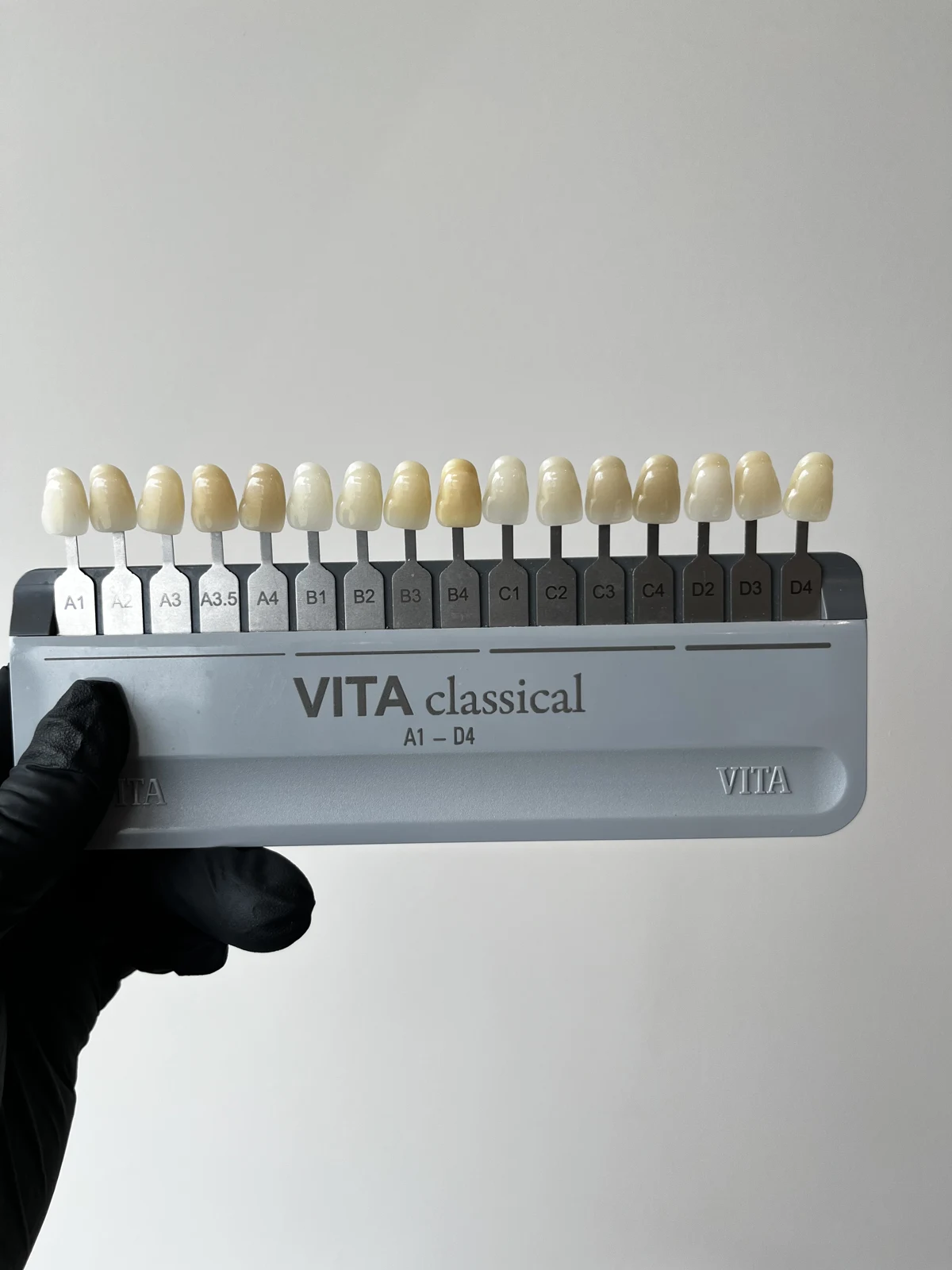
Shade selection for dental veneer planning at BE SMILE
Illustrative record of the veneer service at BE SMILE; shade and material are assessed individually.

At a glance

An editorial BE SMILE guide to the practical differences between resin and porcelain veneers, what to review before choosing, and how to prepare for a consultation.

Resin or porcelain veneers? Start with your teeth

If you are comparing resin vs. porcelain veneers in Santa Fe, CDMX, the short answer is that neither material is automatically right for every smile. The decision starts with your healthy enamel, gum health, bite, habits such as clenching or grinding, and the change you want to make.

Both options cover the front surface of a tooth and may be used for aesthetic changes in color, shape, small chipped edges, or spaces. They are not the same as crowns, which cover teeth differently and serve different indications. Before comparing a finish or a shade, it helps to understand what each tooth needs to preserve and improve. MouthHealthy from the American Dental Association explains these general distinctions.

At BE SMILE, we offer resin and E.max porcelain veneers. Planning considers health, function, and aesthetics together. A quote is provided after an individual assessment.

Book an assessment to discuss which option fits your smile.

Request my assessment

What changes in practice between resin and porcelain

The difference is not only the name of the material. Composite resin is often bonded and shaped directly on the tooth. Porcelain or ceramic veneers are generally made to measure in a laboratory before placement. That can affect the number of appointments and how the case is planned.

Preparation matters too. Some porcelain plans require removing a small amount of enamel to create space; once enamel is removed, that part of treatment is not reversible. Resin may require less enamel reduction in certain situations, but that does not make it the right choice by default. The conversation should begin with your teeth, rather than a general rule. The ADA guide discusses these preparation and fabrication differences.

  • Resin: may allow simpler adjustments and repairs if damage occurs.
  • Porcelain: is generally described as strong, durable, and natural-looking.
  • Both: still need daily hygiene and dental reviews; neither makes a tooth immune to decay or damage.

Think of the plan as a set of connected decisions. Color, proportion, texture, and bite are reviewed together. Choosing from a photo alone, or selecting the brightest possible shade first, can leave out details that affect how the result works in daily life.

Explore veneer options at BE SMILE.

Request my assessment

Check oral health and your bite before changing a smile

A veneer sits on a tooth; it does not erase what is happening underneath or around it. That is why cavities, gum inflammation, and gum disease should be assessed before an aesthetic treatment moves forward. Placing veneers on unhealthy teeth can worsen existing problems. MouthHealthy recommends addressing these conditions during assessment.

It is also worth discussing bruxism, clenching, and a deep bite. These factors may mean veneers are not the best option at that time, or that a different protective plan needs consideration. This is not just a technical detail: your bite is the force those restorations will handle while you eat and speak every day.

If tooth position is part of the concern, it may make sense to assess clear aligners or orthodontic treatment first. That will not be necessary in every case, and it does not replace an assessment. Moving teeth and changing their front surfaces are different decisions.

Schedule a visit to review your oral health, bite, and aesthetic goals.

Request my assessment

How to read longevity data without turning it into a promise

It is natural to ask how long veneers last. The useful answer is that research can guide a conversation, but it cannot predict exactly what will happen in one person’s mouth. The material, design, treated tooth, bite, habits, hygiene, and follow-up all influence the outcome.

A systematic review of resin veneers reported pooled overall survival of 88% in the included trials, with average follow-up periods from 24 to 97 months. Frequently reported issues included surface roughness, color mismatch, and marginal staining. The review included few studies, so this figure is not a personal guarantee. Read the resin veneer systematic review on PubMed.

For porcelain, a review of 25 studies and 6,500 veneers estimated 10-year cumulative survival at 95.5%. Fracture and debonding were the most common complications. Those findings are not a promise for an individual case, and they do not directly compare every type of resin and porcelain veneer. Read the porcelain veneer survival review on PubMed.

Rather than looking for a fixed expiration date, ask what may need repair, recementing, or replacement, and how your routine could influence those possibilities.

Questions to ask when comparing veneer proposals in Santa Fe

Comparing proposals is not only about comparing totals. Two treatments with the same name may involve different diagnoses, materials, and levels of preparation. Bring specific questions and ask for the reason behind each recommendation.

  1. How much enamel is expected to be removed, and why?
  2. Is the proposal direct resin or a laboratory-made ceramic veneer?
  3. Is there a less invasive alternative for my goal?
  4. How will my bite, clenching, or grinding be considered?
  5. What repairs or replacements may be expected over time?
  6. Who will provide the diagnosis and treatment, and do they hold a verifiable professional license?

These questions align with patient guidance from MouthHealthy. They can also clarify why two quotes may not describe the same treatment plan.

At BE SMILE, smile design planning may include shape, color, and proportion. A consultation can determine whether resin or E.max porcelain veneers are appropriate for your dental characteristics and goals.

Arrange a Santa Fe assessment and compare your options with clear information.

Request my assessment

Choose the option you can care for

A natural-looking smile is not a formula of identical teeth or the whitest possible shade. Shape, texture, proportion, and color should work together with your features and your oral health. A good clinical conversation includes what you hope to see and what you can realistically care for afterward.

Veneers can chip, fracture, wear, or debond and may require repair, recementing, or replacement depending on the situation. Cavities can still develop around or beneath a veneer. Brushing, cleaning between teeth, and dental reviews remain part of care. The ADA outlines these risks and the need for ongoing dental care.

If you are in Santa Fe, Mexico City, an in-person assessment can turn this general comparison into a decision based on your enamel, gums, bite, and expectations.

Frequently asked questions

Can resin and porcelain veneers solve the same concerns?

Both may cover the front of a tooth for changes in color, shape, small chipped edges, or spaces. The appropriate option depends on oral health, available enamel, bite, habits, and aesthetic goals.

Does porcelain always last longer than resin?

Research describes general differences, not guarantees for each person. Resin may be easier to repair, while porcelain is generally described as durable. Bite, design, habits, and care also affect the outcome.

Are teeth filed down for veneers?

A small amount of enamel may need to be removed, particularly in some porcelain plans. If enamel is removed, that change is not reversible. The amount and the reason should be explained during your assessment.

Can I get veneers if I grind my teeth?

Grinding or clenching should be assessed before deciding. It may affect whether veneers are appropriate or whether a different protective plan should be considered.

Do veneers replace orthodontics?

Not necessarily. Changing tooth surfaces and changing tooth position are different treatments. If alignment or bite affects your case, orthodontics or clear aligners may be worth assessing before veneers.

How much do veneers cost at BE SMILE?

Pricing is provided after an assessment because it depends on the diagnosis, material, and treatment plan.

Still have questions? Let’s discuss your case.

Discuss my case

Sources and context

Educational information from manufacturers and professional associations. An individual assessment determines suitability, treatment planning and the quote.

Published by the BE SMILE team. This educational content does not replace a professional diagnosis.

Explore the treatment at BE SMILE

Reviews of care at the clinic

These reviews describe BE SMILE in general. They do not all concern this treatment or predict your outcome.

Patient experiences

What they say about their visit.

Google5.0 55 reviews on Google Maps
“Extraordinaria atención de la doctora Mafer. El espacio físico es increíble, visualmente muy armónico…”
“Excelente servicio desde la recepción hasta los doctores. Te hacen sentir muy tranquilo, te explican todo. Los aparatos de última tecnología…”

Selected public reviews. Data checked on 12/10/2026. Not automatically updated.

See more reviews

Your assessment in Santa Fe.

Corporativo Diamante Santa Fe, Vasco de Quiroga 3900, Torre A, oficina 0601, Lomas de Santa Fe, Contadero, Cuajimalpa de Morelos, 01219 Ciudad de México. Ask about availability at +52 55 1046 3731; reception confirms the consultation fee and your appointment.

Get directions