Back to the blog

General Dentistry · Santa Fe, CDMX

Zirconia or E.max: what to ask about dental crowns in Santa Fe

At a glance

The right option is not chosen by name alone. Compare zirconia and E.max in relation to your tooth, bite and the crown design being proposed.

Request an assessment
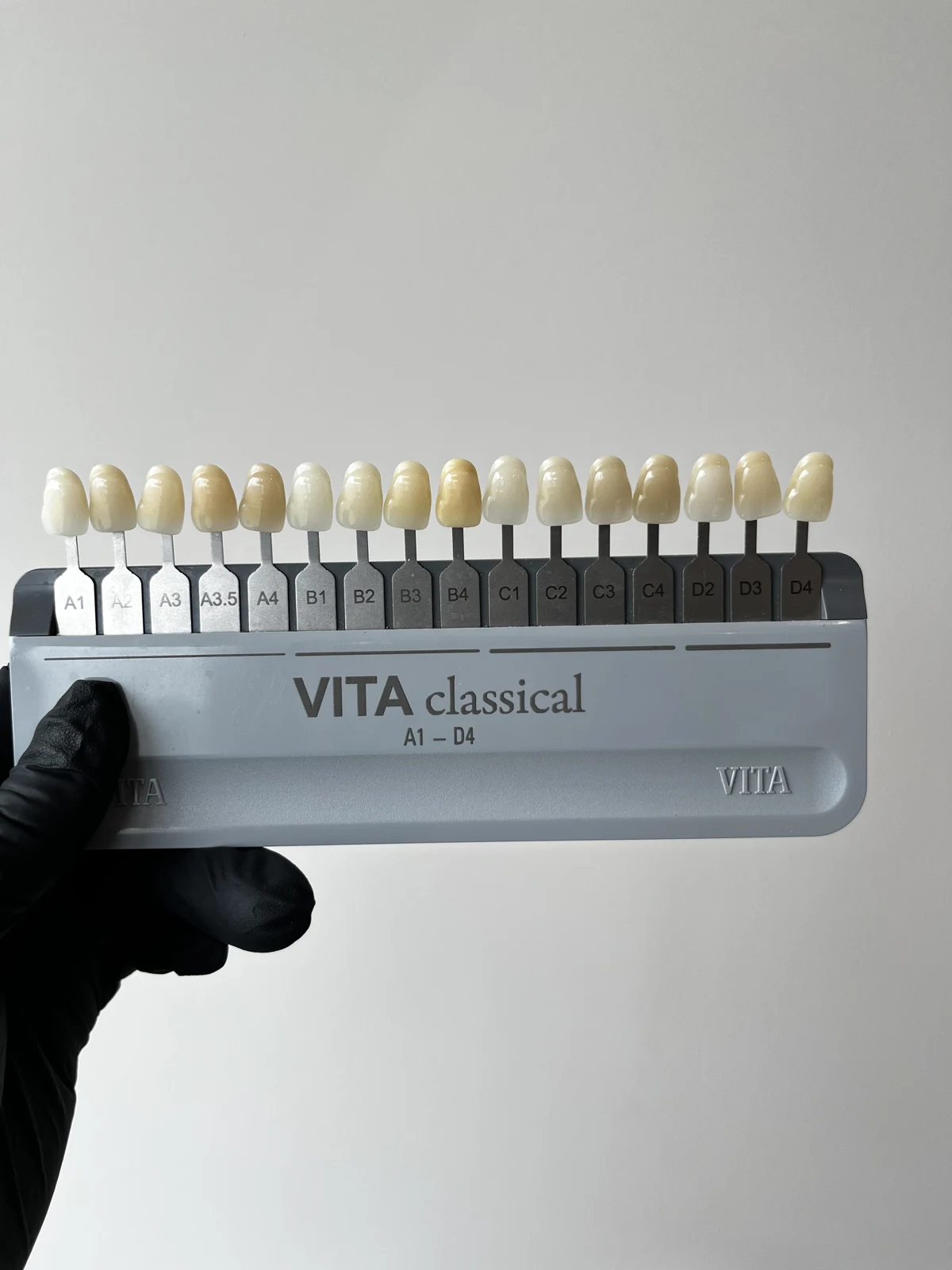
Dental shade guide held by a gloved hand in front of a large window
Illustrative image of the dental crown service; it does not depict a specific result.
Dental crowns in Santa Fe: treatment and prices

Zirconia or E.max: material alone does not answer the question

If you have been offered zirconia or E.max, you do not have to choose whichever name sounds better. E.max commonly refers to a lithium disilicate ceramic; zirconia is another ceramic used in restorations. Understanding your tooth, bite and treatment goal makes the choice more useful. A review found comparable five-year survival for single-unit lithium disilicate, zirconia and metal-ceramic crowns, rather than one winning material for everyone. You can read the PubMed review.

Translucency describes how light passes through a material. The ADA describes greater translucency in lithium disilicate than zirconia; it also notes that zirconia can be used in monolithic restorations and may provide fracture resistance. Ask which characteristics your tooth needs, taking colour, chewing load, space and position into account. The ADA overview of indirect-restoration materials explains those differences.

Questions for comparing a zirconia crown with an E.max crown
AreaWhat to askWhy it matters
AppearanceWhat shade and translucency can be planned for my case?Colour and translucency are considered together with tooth position and the rest of your smile.
StrengthWhat chewing load does this tooth receive, and which material fits that plan?Chewing load is part of the indication, not just the material name.
DesignWill the crown be monolithic or layered?Design also affects the discussion of fracture or chipping.

Ask how the crown will be made as well as which material will be used. In the cited review, monolithic zirconia and lithium disilicate crowns had fewer fractures and ceramic chipping events than layered alternatives. That does not remove every risk: ask about the proposed design and possible chipping in your case. You can read the study findings.

What can change the recommendation

A photograph can help you explain how you would like the crown to look, but it cannot replace an assessment. The remaining tooth and its condition, your bite, tooth location and habits matter alongside appearance. Survival studies can guide that conversation; they cannot tell you on their own how your crown will perform. Keep that distinction in mind when reading the single-unit crown review.

  • Ask whether decay, a large restoration or root-canal treatment changes the prognosis.
  • Mention if you clench or grind your teeth; your bite and contact with the opposing tooth also need review.
  • Ask how much healthy tooth structure remains to retain the crown and whether a more conservative option is appropriate.
  • Confirm what plan would apply if the crown loses retention, fractures or needs adjustment.

Useful questions before accepting the plan

It is also worth asking how the crown will be attached to your tooth. Cementation and conditioning are part of treatment even though you cannot see them in your smile. A review found low-quality evidence and comparable outcomes for adhesive and conventional cementation with these materials. Rather than looking for one technique that is best for everyone, ask why the proposal makes sense for your tooth. You can read the cementation review.

  1. What diagnosis makes a full crown necessary, and is a more conservative alternative possible?
  2. What exact material and design are proposed: zirconia or lithium disilicate, monolithic or layered?
  3. What tooth preparation and pulpal risks do you expect in my case?
  4. How will you check my bite and contact with the opposing tooth? Should a night guard be considered if I clench or grind?
  5. Which cementation protocol will be used, and why does it suit this crown?
  6. What does the written plan include, and which conditions for adjustments, reviews, guarantees or payment should I confirm with reception?

Take the comparison to an assessment

The comparison should leave you understanding why a material and design suit your tooth and bite. BE SMILE offers dental crowns in zirconia and E.max; clinical assessment determines the material, plan and total quote. Confirm payment and service conditions with reception before deciding.

Request an assessment to review which questions and options apply to your case.

Request my assessment

Frequently asked questions

Are E.max and lithium disilicate the same thing?

E.max is commonly used as a reference name for a lithium disilicate ceramic. Ask for the exact material and design of your crown to be explained, rather than relying on the brand name alone.

Is zirconia always stronger than E.max?

Zirconia may provide fracture resistance, but that does not settle the whole choice. Design, bite, available space and tooth condition also matter; there is no better option for everyone.

What should I ask before accepting a crown?

Ask for an explanation and a written plan: why you need the crown, its material and design, preparation, cementation and bite review. Clarify the estimate's scope and which conditions reception needs to confirm too.

Still have questions? Let’s discuss your case.

Discuss my case

Sources and context

Educational information from manufacturers and professional associations. An individual assessment determines suitability, treatment planning and the quote.

This educational content does not replace a professional diagnosis.

Explore the treatment at BE SMILE

Reviews of care at the clinic

These reviews describe BE SMILE in general. They do not all concern this treatment or predict your outcome.

Patient experiences

What they say about their visit.

Google5.0 55 reviews on Google Maps
“Extraordinaria atención de la doctora Mafer. El espacio físico es increíble, visualmente muy armónico…”
“Excelente servicio desde la recepción hasta los doctores. Te hacen sentir muy tranquilo, te explican todo. Los aparatos de última tecnología…”

Selected public reviews. Data checked on 12/10/2026. Not automatically updated.

See more reviews

Your assessment in Santa Fe.

Vasco de Quiroga 3900-Torre A Oficina 0601, Lomas de Santa Fe, Contadero, Cuajimalpa de Morelos, 01219 Ciudad de México, CDMX, México. Ask about availability at +52 55 1046 3731; reception confirms the consultation fee and your appointment.

Get directions